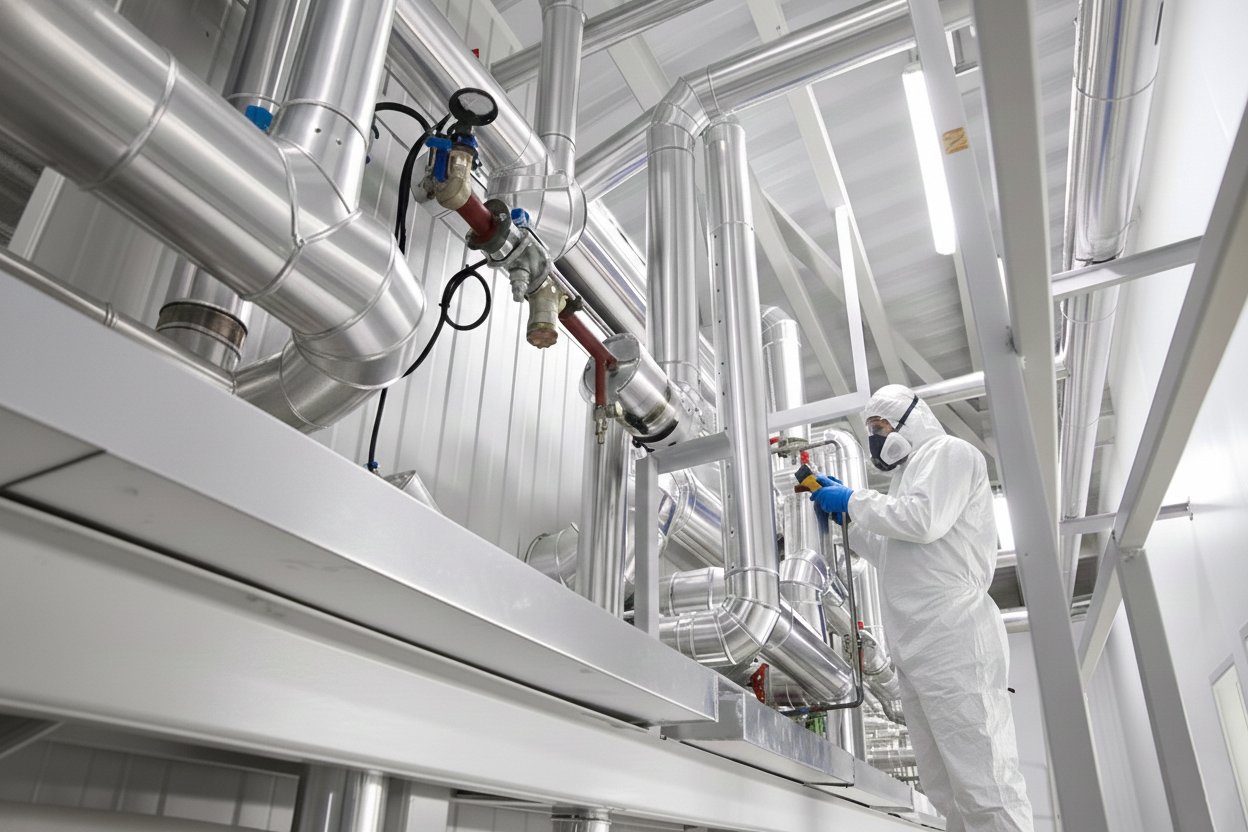
Utility validation ensures that water, air, steam and gas systems used in production consistently provide utilities that meet defined quality specifications and operate reliably in all intended use situations.
The performance and quality of these systems directly influence process cleanliness, product safety and compliance with GMP requirements. For this reason, their design, installation, operation and performance must be verified through documented testing before use and periodically thereafter.
Properly executed utility validation reduces contamination risks, prevents production disturbances and ensures that the entire manufacturing environment remains controlled and auditable.
Utility validation covers all supporting systems whose quality or performance impacts manufacturing processes and GMP compliance. Typical systems include:
Utility validation is based on EU GMP Annex 15 and WHO TRS 1019 Annex 3 requirements and is performed according to an approved User Requirements Specification (URS) and validation plan.
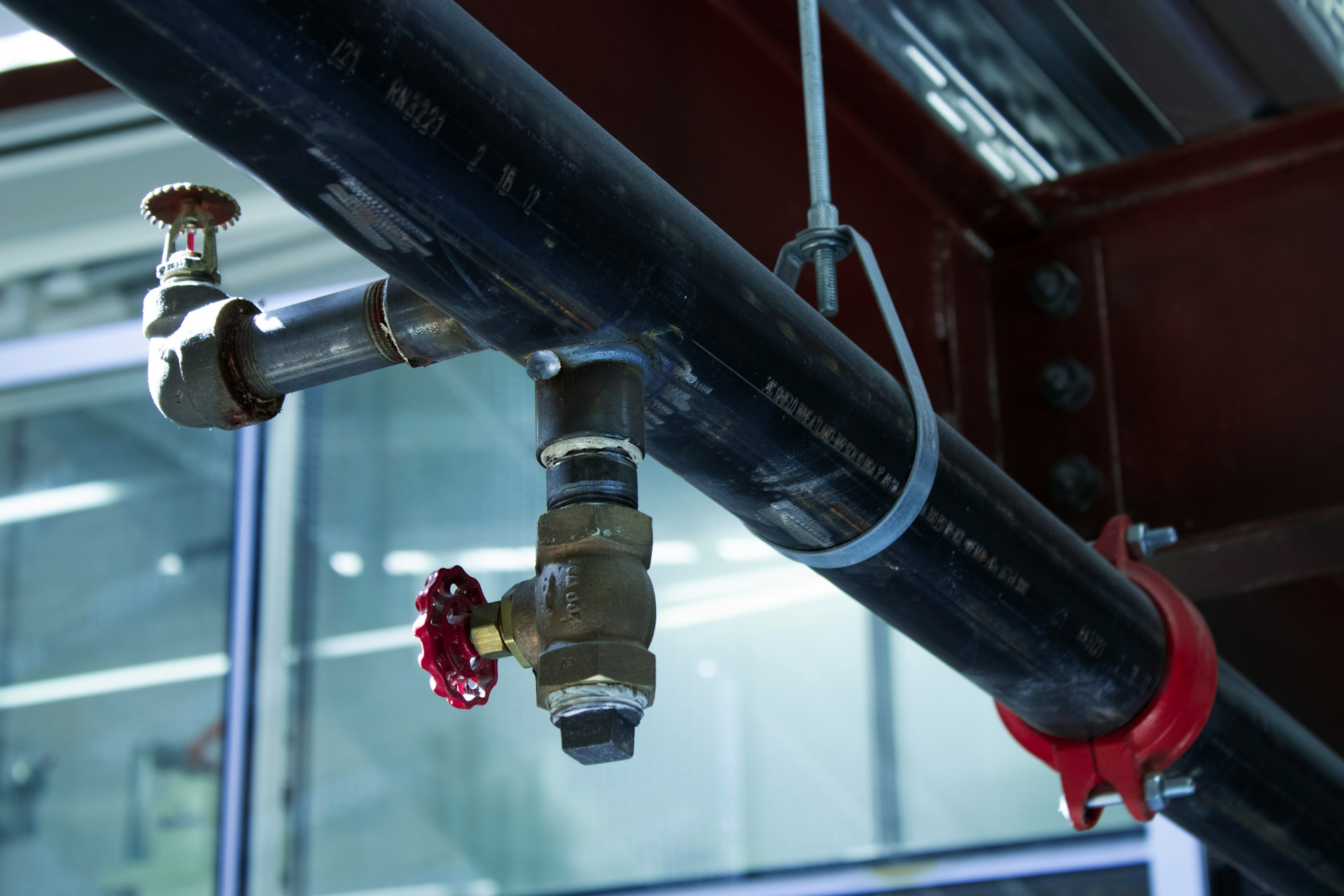
Utility validation progresses through a structured approach, ensuring that each system meets its quality and performance requirements from design to routine use.
1. Design Qualification (DQ)
Ensures that the utility system is designed to meet user requirements, capacity needs and defined quality specifications.
2. Installation Qualification (IQ)
Confirms and documents that the system has been installed correctly, that materials, components and connections match design specifications, and that all required calibrations and inspections have been performed.
3. Operational Qualification (OQ)
Verifies that the system functions within defined operating parameters. Testing includes flow, pressure, temperature, particle levels, microbiological quality and other critical attributes depending on the utility type.
4. Performance Qualification (PQ)
Confirms system performance under normal operating conditions. PQ ensures the system consistently supplies utilities that meet required quality specifications and operates reliably as part of the overall manufacturing process.
All stages of utility validation are thoroughly documented to demonstrate system compliance during audits and throughout the lifecycle. Documentation includes the validation plan, test protocols, measurement and analysis results, and any deviation reports.
At the end of the process, a dedicated validation report is prepared, summarising all results and observations. All measurement data and test records are attached to the report to demonstrate that the system operates as designed and consistently meets required specifications.
Accurate and traceable documentation supports regulatory inspections, strengthens quality management and ensures the system maintains a continuous state of control.

Utility validation is delivered as a full-service solution covering all stages from planning and commissioning to ongoing maintenance. The scope is tailored to system criticality, intended use and customer needs.
Our services include:
If required, we also prepare Standard Operating Procedures (SOPs) for system use and ongoing qualification, and provide training to ensure continuous compliance.
Our experience covers purified water, clean steam, compressed air, gas systems, ventilation systems and the validation and monitoring of their critical performance parameters.
By choosing Feicon, you gain a partner who offers:
Feicon ensures that validation is carried out correctly, on time, and in support of your business.
Validation is carried out before initial use and after any major changes. In addition, system performance should be assessed periodically through routine monitoring, scheduled measurements and requalification.
Utility validation applies to supporting systems such as purified water, steam, compressed air, gases, HVAC and cooling systems. The scope depends on system criticality and regulatory requirements.
Equipment validation focuses on individual production equipment, while utility validation ensures the quality and consistent availability of critical utilities such as water, steam, air and gases.
Documentation includes the URS, validation plan, test protocols, measurement and analysis results, deviation reports and the final validation report compiling all evidence.
The best time to involve us is during the design or procurement phase. Early involvement ensures the system is designed to be fully validated and helps avoid costly retroactive modifications.
Yes. We have extensive experience validating purified water, steam, compressed air, gas and ventilation systems in laboratories, pharmaceutical manufacturing, hospitals and other controlled environments.

"*" indicates required fields
"*" indicates required fields